
How to cultivate and nurture your spiritual “soil”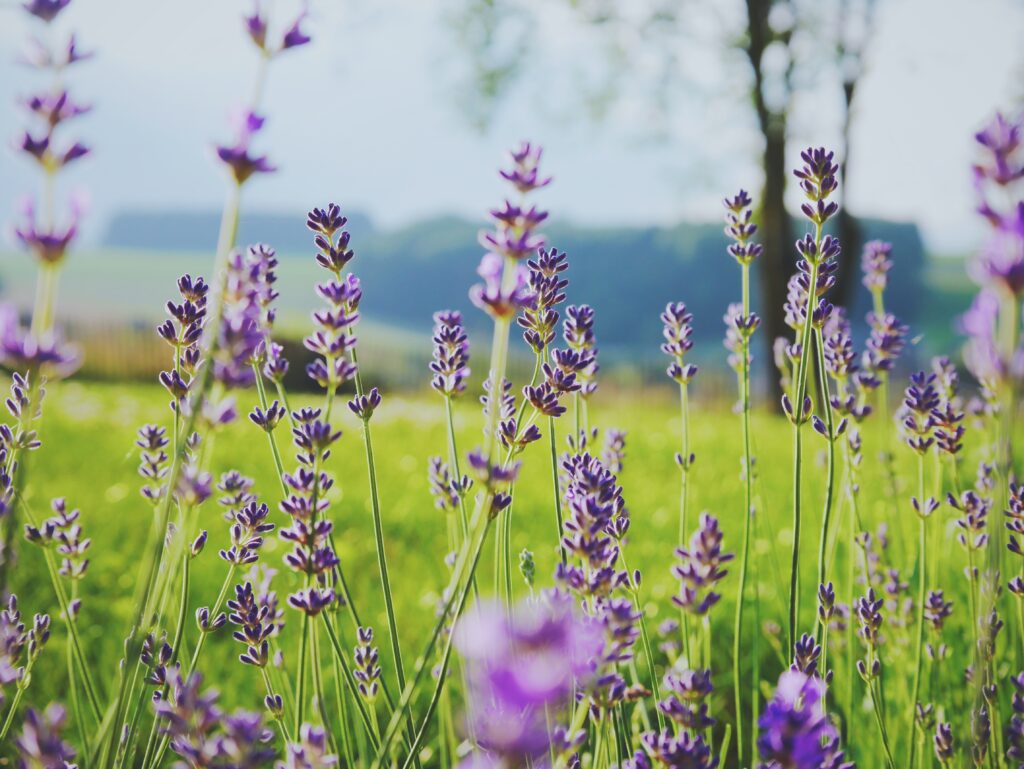
This is a guest blog contributed by Jon Lewis, the Current Senior Associate with One Challenge International. He was a former pilot for Mission Aviation Fellowship (DR Congo) and CEO of Partners International. Jon is currently a designated Africa trainer for The Steward’s Journey ministry.
One of the most powerful object lessons Jesus, the Master Story-Teller, taught was that of the Sower and the Seed. Highlighting what happens when seed lands on less than ideal soil, he explained how the resulting fruitfulness of that crop was either non-existent, stunted, or short-lived. But seed that landed on good soil, Jesus said, produced multiplied fruit that was thirty, sixty, or even a hundred-fold in abundance.
When his disciples asked him for an explanation of the parable, Jesus went into quite a bit of detail about what each of the examples of poor ground signified and why a bountiful crop would never happen in those situations. But he didn’t say much about what makes good ground good. He didn’t have to. His audience implicitly knew that the job of any good Sower didn’t start with throwing out the seed, it started long before by cultivating the soil. They knew very well, from personal experience, all about the painstaking hours of back-breaking work that was necessary to keep soil from being hard-packed and free from rock and weed in order that any seed might be able to grow and flourish. The point is that before the Sower could become a successful Harvester, he had to become a faithful Cultivator—both before and after the seed had been sown.
As I’ve been thinking about this, what strikes me as interesting is that good Cultivators really have no power in themselves to create or force growth out of a seed. That is totally beyond their “pay grade,” so to speak, something only the Ultimate Master can do. But, as stewards of the Master’s seed, Cultivators nevertheless have all kinds of potential to influence the conditions in which the growth of the seed will be best. Tilling sunbaked earth and removing rocks are actions that must happen before any seed touches the ground. And weeding the field is an action that has to be carefully administered multiple times after the tender and fragile shoots emerge.
All of this thinking took on new meaning for me the other day, when my wife and I were having our daily devotional time after breakfast. Since the beginning of the year, we’ve been enjoying the amazing word-crafting skill of Charles Spurgeon in his Morning and Evening devotional book, recently re-edited by Alistair Begg. A few days ago, the focus of our reading was Philippians 4:11, I have learned, in whatever state I am, therewith to be content. Ever the master of metaphor, Spurgeon waxed eloquent by stating:
“Covetousness, discontent, and murmuring are as natural to man as thorns are to the soil. We need not sow thistles and brambles; they come up naturally enough, because they are indigenous to earth: and so, we need not teach men to complain; they complain fast enough without any education. But the precious things of the earth must be cultivated. If we would have wheat, we must plough and sow; if we want flowers, there must be the garden, and all the gardener’s care. Now, contentment is one of the flowers of heaven, and if we would have it, it must be cultivated; it will not grow in us by nature; it is the new nature alone that can produce it, and even then, we must be especially careful and watchful that we maintain and cultivate the grace which God has sown in us.”
So how does one actually go about cultivating contentment? Let me offer some advice offered by three veteran Cultivators: David, Peter, and Paul.
- Psalm 55:22 Cast your cares on the Lord, and He will sustain you, for He never lets the righteous fall. David reminds us here that there will be plenty of times in life when our cares and worries will cloud our understanding of why current events are happening, let alone give us a sense of how things will end up. What is critical in his advice is to rely on being sustained by One who ultimately will not let us down. Sometimes that sustaining season is a long one and it’s easy to lose heart. Nevertheless, hanging on to this biblical truth of God’s sustaining power is critical to maintain a measure of contentment even in the midst of difficulty, trial, and lack of clarity.
- 1 Peter 5:6 Humble yourselves, therefore, under God’s mighty hand, that he may lift you up in due time. One of tough realizations when things are not going rosy for us, is that God has allowed those things for a purpose. It is only by acknowledging his “mighty hand” behind our situation that we can learn true humility. But the reason this tool helps us cultivate a spirit of contentment even during those times is that we know God has purpose for what we’re going through and that, in due time, our Master will once again lift us up. Humility is, without doubt, a necessary ingredient for true contentment.
- Philippians 1:20 I eagerly expect and hope that I will in no way be ashamed, but will have sufficient courage so that now as always Christ will be exalted in my body, whether by life or by death. Here, the operative word from Paul is sufficient courage. This is in contrast to ultimate courage or, as our modern-day culture prefers, super-hero courage. No, Paul has learned over a lifetime of tough times, all that he needs is sufficient courage to face one more day, to answer one more accuser, or to tackle one more God-given assignment. It’s easy to see how not measuring up to our own expectation of being a spiritual super-hero could really make us discontent. That’s why this Cultivator advice from Paul is so important. Grasping the sufficient courage that God’s Spirit makes available to us each day is just what we need to give us the contentment to carry on.
Putting all of this Cultivator advice to work in our own life may seem a bit daunting. But Spurgeon offers us one more nugget of wise advice in that regard: Do not indulge the notion that you can be contented with learning or learn without discipline. It is not a power that may be exercised naturally, but a science to be acquired gradually.
Becoming a faithful steward is clearly not a “slam—dunk” process. Without question, it is only through the gradual process of learning how to cultivate the most nurturing soil in our own lives that we will see “flowers of heaven” bloom in us. And then, just maybe, we too will find our own grounds for contentment.
Connect With Us
Connect with us and others in The Center for Steward Leader Studies community to stay informed on activities and opportunities.